

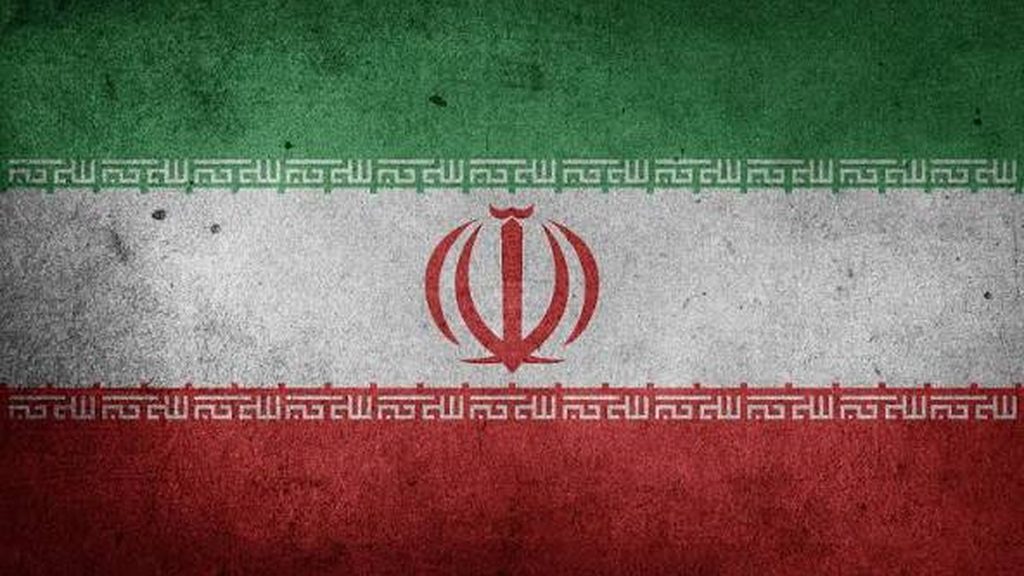
US President Donald Trump has demanded Iran’s “UNCONDITIONAL SURRENDER!” and rejected any settlement short of what he framed as capitulation, issuing the ultimatum on social media as US and Israeli military operations continued into a seventh day.
In the same message, Trump also signalled support for a change in Iran’s leadership, saying the United States wanted new Iranian leaders he considers “acceptable”, and suggesting Washington and its allies would then help Iran recover.
The post marks one of Trump’s clearest public escalations since coordinated US–Israel strikes began on 28 February, shifting the conflict’s stated aims further towards regime change even as Iran continues retaliation across the Gulf and the wider region faces mounting disruption.
US Defence Secretary Pete Hegseth said the US air campaign would “surge dramatically”, according to remarks reported by the Associated Press, while declining to commit to a timetable for ending the war.
Iran, meanwhile, has rejected ceasefire negotiations and says it is prepared for the possibility of a US ground invasion, according to comments attributed to Iranian Foreign Minister Abbas Araghchi in interviews reported by Time.
It was not immediately clear what the White House means operationally by “unconditional surrender”, or what conditions Washington would set for ending strikes. The administration has faced questions, including from allies, about its end-state planning and how it would manage Iran’s governance and security in the event of leadership change.
The current war began on 28 February when the United States and Israel launched coordinated strikes on targets in Iran. In the immediate aftermath, Trump urged Iranians to rise up, and in an earlier statement on the day of the opening attacks he told Iranians: “When we are finished, take over your government. It will be yours to take,” according to an account carried by Encyclopaedia Britannica.
Trump has also suggested publicly that core objectives could be reached in “four or five weeks”, while saying he would deploy US ground troops “if necessary”, in comments reported by Time. Officials have not set out publicly what specific benchmarks would constitute success, beyond broad references to Iran’s nuclear and ballistic missile capabilities and the status of Iran’s leadership.
Iran has responded with missile and drone attacks on US and allied interests in the region, including strikes reported to have hit areas around the US Fifth Fleet headquarters in Bahrain, as well as other US bases in Gulf states. Accounts of the damage and casualties have varied, and some claims have not been independently verified.
The conflict has also intensified concerns over the Strait of Hormuz, a vital global energy chokepoint. Shipping has been severely disrupted in recent days, with reports of vessels being damaged and seafarers killed. Analysts say prolonged disruption would put renewed pressure on energy prices and supply chains, raising the risk of broader economic fallout beyond the Middle East.
Within Iran, the question of who is exercising authority has been sharpened by conflicting reports about the fate of senior leaders following the initial strikes. Some reports have claimed the death of Supreme Leader Ayatollah Ali Khamenei, though independent confirmation has not been available and Iranian authorities have not provided a clear public accounting that would settle the matter.
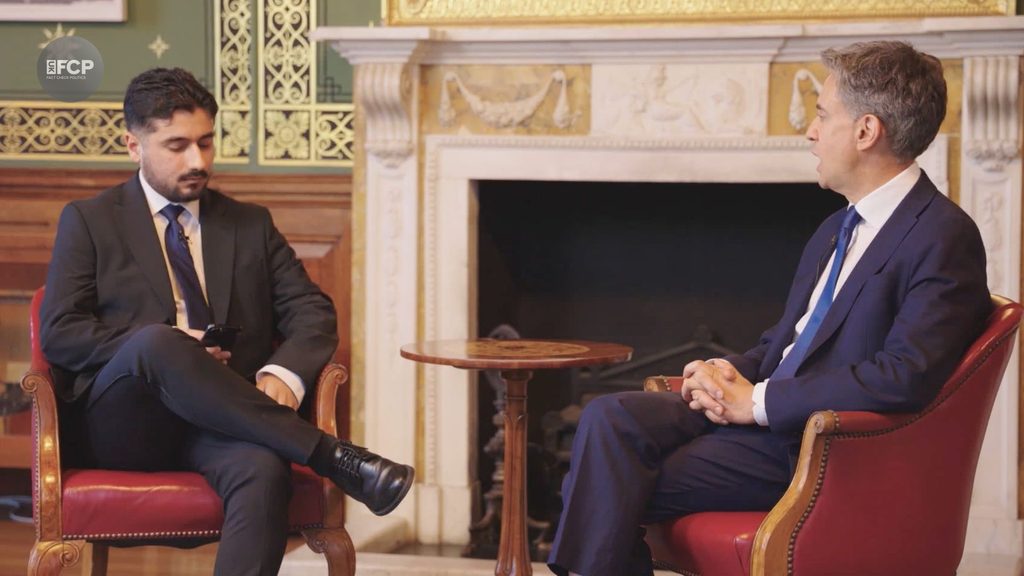
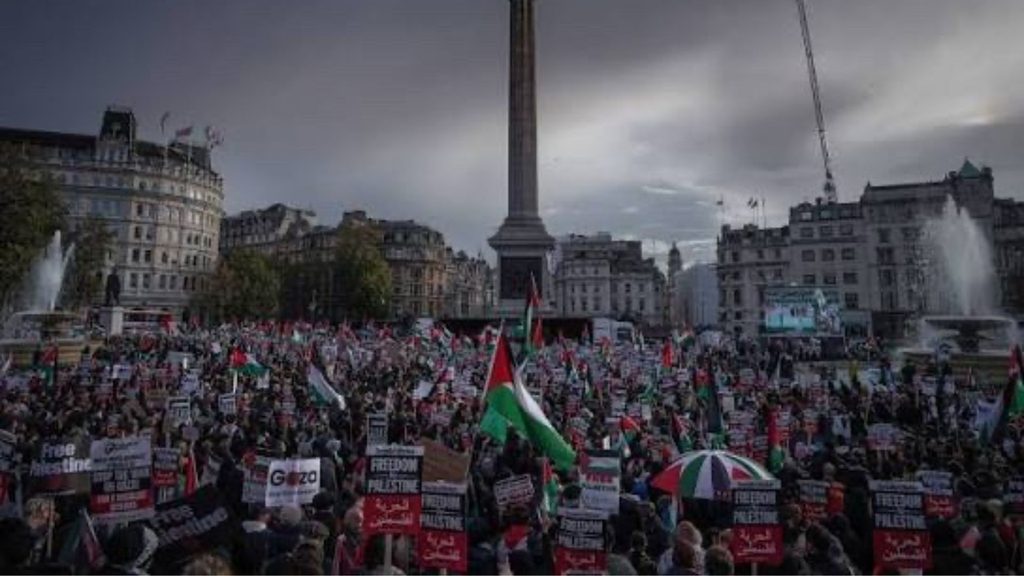
The United Kingdom has so far stayed out of the initial US strikes. Prime Minister Keir Starmer declined to join the first wave of attacks, and MPs have pressed the government for clarity on the legal basis for US action and the implications for British security, including concerns raised in Parliament about Iranian-backed plots on UK soil that officials say have been disrupted in the past year.
Diplomatic strain between London and Washington has been reported in recent days, amid concerns over the risk of regional spillover and uncertainty about the US plan for ending the conflict. European officials have also cautioned against assuming that military strikes alone can dismantle Iran’s nuclear programme, and have urged a strategy that prevents escalation beyond Iran’s borders.
The Trump administration’s public messaging has varied in emphasis since the war began. In the run-up to the strikes, US officials focused heavily on Iran’s nuclear and ballistic missile programmes. After the opening attacks, Trump’s rhetoric moved more explicitly towards leadership change, and his latest demand for “unconditional surrender” suggests the White House is setting conditions that go beyond a negotiated rollback of nuclear activity.
Iranian officials, for their part, have framed the conflict as external aggression and signalled they are prepared for a prolonged confrontation. Araghchi has said Iran is ready for the possibility of a US ground invasion, while Tehran has dismissed ceasefire approaches, according to reports.
In Washington, Hegseth’s statement that the air campaign would “surge dramatically” points to an intensification of US operations even as questions persist about the scope of targets, the risk of civilian casualties and the likelihood of retaliatory attacks on US forces and partners around the region.
The war follows a shorter Israel–Iran conflict in 2025 that ended in a Trump-announced ceasefire, which largely held despite early violations. The present escalation has proved more destabilising, with wider regional theatres implicated and the disruption of maritime traffic adding a global economic dimension.
As the fighting continues, several immediate uncertainties remain: whether the United States intends to pursue negotiations at all under its stated “surrender” terms; what role, if any, a transitional authority would have in Iran if leadership change occurred; and under what circumstances Trump might authorise the deployment of US ground troops.
For now, the president’s ultimatum has hardened Washington’s public stance at a moment when Iran has shown it can still impose costs across the region, and when allies including the UK are weighing how to manage security risks and diplomatic fallout as the conflict enters its second week.


Join the Discussion
Have something to say? Join the conversation!
Sign in to share your thoughts and engage with other readers.
Sign In Create AccountNo comments yet
Be the first to share your thoughts on this article!