

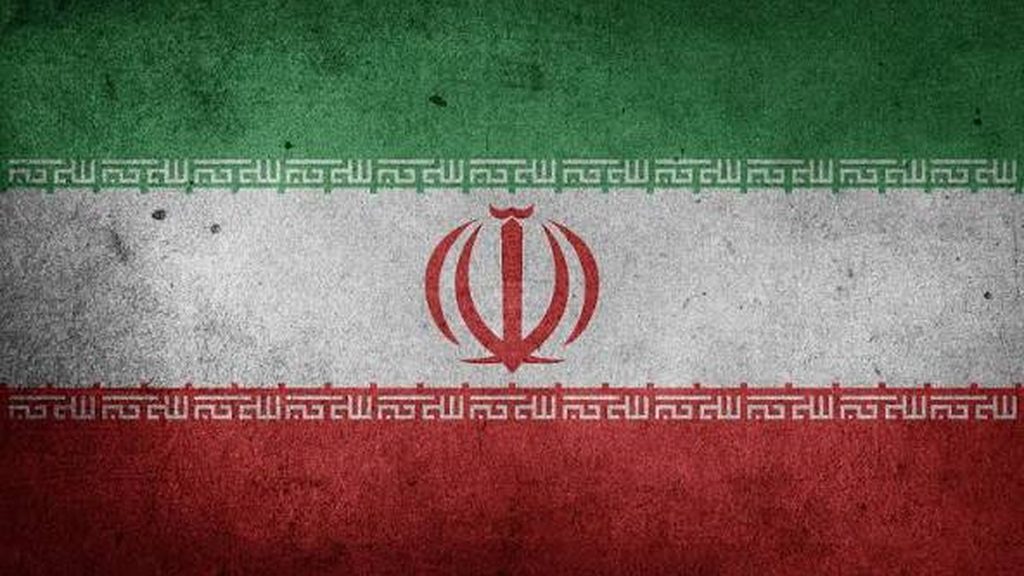
Iran reopened its airspace on Thursday after a near five-hour closure that disrupted flights across the region, as the White House reiterated that “all options remain on the table” and warned Tehran of “grave consequences” if the killing of antigovernment protesters continues.
The airspace shutdown, imposed amid heightened fears of possible military action, came as tensions between Iran and the United States remained elevated following days of threats from US President Donald Trump and fresh US sanctions targeting senior Iranian political and security figures accused of directing what Washington called a “brutal crackdown”.
Iran’s deputy representative to the United Nations, Gholamhossein Darzi, warned at an emergency UN Security Council meeting in New York that any threat of military intervention would violate international law, urging the council to reject the use of force “before it is too late”.
“Any threat [of the] use of force against Iran, under any pretext, including claims of protecting protesters or supporting the Iranian people, constitute a grave and manifest violation of international law and the UN charter,” Darzi told the council. “Evoking humanitarian rhetoric to justify force [is] a deliberate abuse of international law.”
The emergency session was requested by the United States within the last 36 hours, as Iran faces mass unrest that has included lethal violence and a week-long internet blackout that has made independent verification from inside the country difficult. Iran’s government says the demonstrations began as peaceful gatherings over economic conditions but were later infiltrated by “terrorist elements”, a claim it has repeatedly used to justify the security response.
On Thursday, White House press secretary Karoline Leavitt said the Trump administration had communicated to Tehran that “if the killing continues, there will be grave consequences”.
“The president and his team are closely monitoring this situation and all options remain on the table for the president,” Leavitt said.
She also said President Trump believed executions that had been scheduled were halted. “The president understands today that 800 executions that were scheduled and supposed to take place yesterday were halted,” she told reporters, citing assurances the administration said it had received. Iran has indicated that fast trials and executions could be part of its response to the protests.
At the UN, a senior UN official warned that public talk of military strikes was inflaming an already volatile crisis. Martha Pobee, the UN assistant secretary-general for peacebuilding affairs, told the council: “We note with alarm various public statements suggesting possible military strikes on Iran. This external dimension adds volatility to an already combustible situation. All efforts must be undertaken to prevent any further deterioration.”
US National Security Advisor Mike Waltz told the council that the Trump administration “stand[s] by the brave people of Iran”, arguing that the level of violence used against protesters had consequences beyond Iran’s borders. He also criticised the internet blackout, saying it was being used to obscure events on the ground, and repeated Washington’s long-standing accusation that Iran is the world’s leading sponsor of “terrorism”.
The United States announced new sanctions this week, including measures targeting Ali Larijani, secretary of Iran’s Supreme National Security Council, and other officials it described as the “architects” of the crackdown. US Treasury Secretary Scott Bessent said in a statement that Washington would use “every tool to target those behind the regime’s tyrannical oppression of human rights”. The sanctions freeze any US-based assets and bar Americans from doing business with those designated.
Iran has responded by placing its armed forces on high alert, according to a commander in the Islamic Revolutionary Guard Corps, and by accusing foreign powers of trying to manufacture a pretext for intervention. Darzi told the Security Council that the United States and Israel, “unable to achieve their objectives through the 12-day war of aggression against Iran in June 2025”, were now seeking to pursue those aims through destabilisation.
“This strategy relies on manufacturing casualties, spreading false and inflated figures and creating a pretext for foreign intervention,” he said, describing it as “a familiar script”.
Darzi also claimed that some violence targeting civilians and security personnel inside Iran was carried out by ISIL (ISIS), and accused Washington of directing “mercenaries” and disseminating “lies” and “deliberate misinformation” to conceal what he described as direct involvement.
The crisis has sharply divided the Security Council, with Russia and China strongly criticising Washington’s approach. Russia’s UN envoy Vassily Nebenzia dismissed the US-requested meeting as a “cheap circus” and accused the United States of seeking to justify “blatant aggression and interference” in Iran’s internal affairs. China’s deputy permanent representative Sun Lei warned that “clouds of war are gathering over the Middle East” and urged the United States to abandon threats of force, adding: “The use of force can never solve problems.”
The United Kingdom’s deputy UN ambassador, Archie Young, condemned Iran’s response as “repression and brutality” and said the UK was “appalled by reports that potentially thousands of people in Iran have been killed and many more arrested, in the most brutal repression of public protests in decades.” He added: “Iranian authorities must protect their people, not brutalise them,” and said the UK would impose additional sanctions if Iran did not “change course”.
At the same Security Council session, Iranian-American journalist and activist Masih Alinejad called for “real and concrete” action against Iran’s leadership, while former political prisoner Ahmad Batebi alleged Iranian authorities were coercing detainees into false confessions — a claim Iran has not accepted.
Elsewhere, diplomatic moves accelerated as countries sought to contain the fallout. Switzerland summoned Iran’s ambassador to convey “greatest concern” over the crackdown, and the Swiss foreign ministry said it had offered its good offices to help de-escalate tensions. Qatar’s prime minister spoke with Iran’s foreign minister, Abbas Araghchi, and, according to Qatar’s state news agency, reiterated support for “all efforts aimed at de-escalation and the pursuit of peaceful solutions”.
Iran’s Foreign Ministry said Araghchi also held a phone call with UN Secretary-General António Guterres, telling him the unrest had escalated because of “the intervention of terrorist elements”, and directly accusing Israel and the US of supporting them. According to the Iranian account, Guterres rejected foreign military intervention in any country and stressed the importance of governments upholding human rights.
In Canada, the foreign minister said she had been informed that a Canadian citizen had died in Iran “at the hands of the Iranian authorities”, adding to international scrutiny of Iran’s security response.
In Israel, Defence Minister Israel Katz designated Iran’s state-owned Bank Melli as a “terrorist organisation”, alleging it serves as a pipeline for funding Iran’s Islamic Revolutionary Guard Corps and regional proxy groups, according to Israeli media reports. Iran has not accepted those allegations.
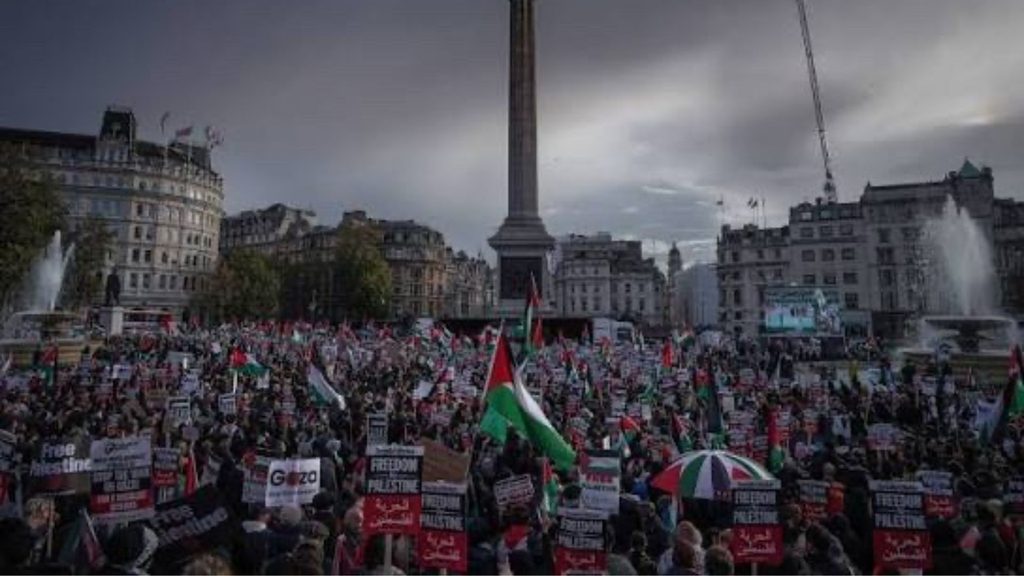
On the streets of Tehran, the pace of protests appeared to have eased in recent days after large pro-government demonstrations on Monday, while Iran’s state-linked Tasnim news agency reported “normal” traffic in the capital but acknowledged a heightened security presence “to further ensure public order”.
Financial markets reacted sharply to signs — however uncertain — that tensions might be easing. Oil prices fell more than 4 percent, with US benchmark crude dropping to about $59.22 a barrel and Brent to about $63.81, as investors took Mr Trump’s comments about halted executions as a signal that the risk of disruption in the oil-rich Gulf region could lessen.
Despite those market moves, officials at the UN warned that the risk of escalation remained acute, with Iran insisting it is confronting externally backed violence and the United States maintaining that military action remains a possibility.


Join the Discussion
Have something to say? Join the conversation!
Sign in to share your thoughts and engage with other readers.
Sign In Create AccountNo comments yet
Be the first to share your thoughts on this article!