

LONDON — The UK will rejoin the European Union’s Erasmus+ student exchange programme from January 2027, the government said on Wednesday, restoring a major route for study and training placements across Europe and marking a significant step in efforts to improve post-Brexit cooperation.
Ministers said the agreement would allow reciprocal participation in exchanges for students and staff, reopening opportunities that ended when Britain left the scheme after its departure from the EU. The move is one of the clearest signals so far of the Labour government’s push for closer working ties with Brussels while insisting the UK will not seek to rejoin the bloc.
Under the deal, UK participation is due to begin in time for the 2027-28 academic year. The government said Britain would contribute about £570 million for the first year, reflecting what it described as a 30% discount on the default terms available under the existing EU-UK trade framework.
Erasmus+ is best known for university exchanges, but the government said the renewed UK role would extend more widely, covering apprentices, further-education students, school pupils and adult learners, as well as educators and sports coaches. The government estimate suggests around 100,000 people from the UK could benefit in the first year of rejoining.
The agreement also restores the programme’s two-way character, with EU participants again able to come to the UK through Erasmus+. The government said EU students would be able to study in Britain on Erasmus terms without additional international tuition fees, a point long raised by universities and student groups as a barrier to exchange since Brexit.
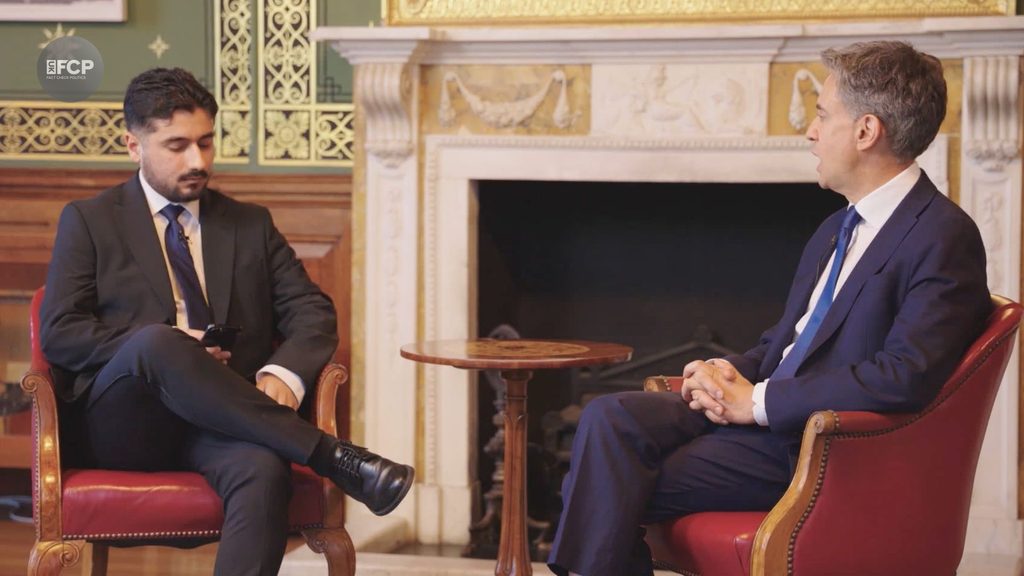
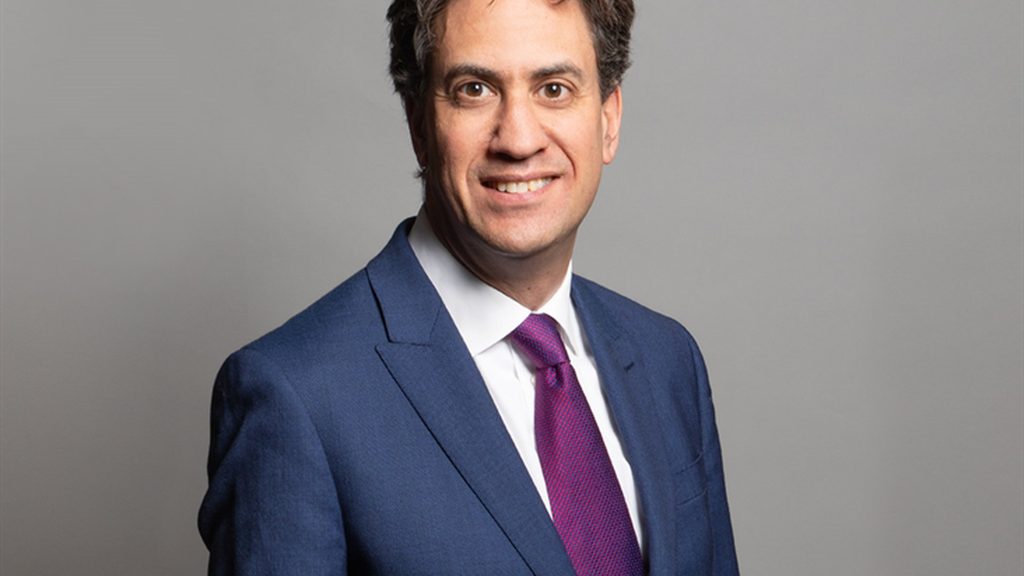
Nick Thomas-Symonds, the minister for EU relations and the UK’s lead negotiator in the talks, said the agreement “is a huge win for our young people, breaking down barriers and widening horizons,” arguing it would broaden access regardless of background.
EU officials welcomed the announcement as a confidence-building measure, with some describing it as a big step forward in rebuilding people-to-people links after years of friction. Erasmus reassociation has been a recurring EU demand in wider discussions about youth mobility and cooperation.
The UK’s departure from Erasmus became a flashpoint soon after Brexit. The government led by then-Prime Minister Boris Johnson decided not to remain in the programme when the UK’s EU withdrawal arrangements took effect, arguing it did not offer value for money. Britain instead launched the domestically funded Turing Scheme, which supports outward placements worldwide but does not provide the same reciprocal framework for incoming students.
Labour pledged during the election campaign to pursue a return to Erasmus, and Prime Minister Keir Starmer has presented the decision as part of a broader “reset” in the relationship with the EU. The government has said it is seeking practical cooperation in areas of shared interest while ruling out steps such as rejoining the single market or customs union.
Wednesday’s announcement follows months of talks that gained momentum after a UK-EU summit earlier this year agreed a renewed agenda spanning education, trade and security. Alongside the Erasmus agreement, negotiations between the two sides have been continuing on issues including youth mobility arrangements, measures to ease food and drink trade, electricity market integration and defence cooperation.
Erasmus+ has operated for nearly 40 years and includes participation by some non-EU countries, including Norway and Iceland, meaning UK membership of the scheme does not require EU membership. Supporters say that status has made it a pragmatic target for rebuilding links even as political red lines over Brexit remain in place.
Universities, colleges and vocational training providers in the UK have repeatedly called for a return to Erasmus, arguing that the programme’s long-established networks and funding mechanisms are difficult to replicate and that exchange opportunities support language learning, skills development and long-term academic collaboration.
The government said further details of implementation would be set out ahead of the UK’s re-entry date, with institutions and participants expected to prepare for applications during 2026. For now, ministers framed the agreement as both a practical expansion of opportunities and a symbolic marker of a thaw in relations with the EU five years after the UK formally left.




Join the Discussion
Have something to say? Join the conversation!
Sign in to share your thoughts and engage with other readers.
Sign In Create AccountNo comments yet
Be the first to share your thoughts on this article!